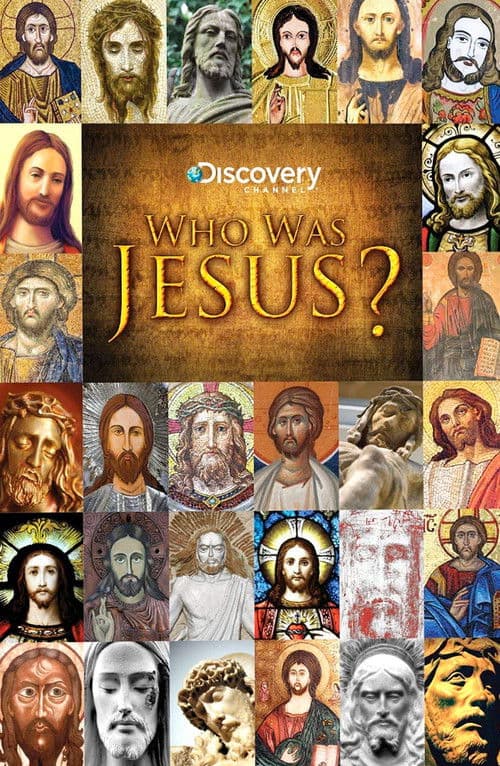
Eight-part history of the Christian faith, looking at its origins, development and turbulent past. High-profile British personalities examine a religion that has particular resonance for them.
Cherie Blair
Self
Michael Portillo
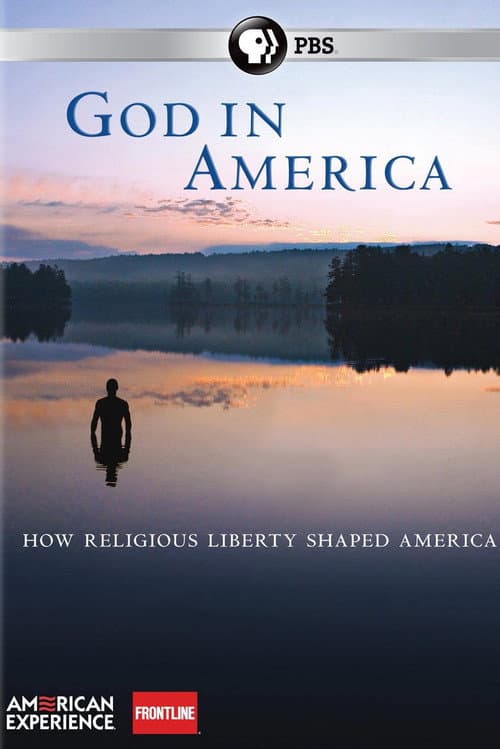
God in America explores the tumultuous 400-year history of the intersection of religion and public life in America, from the first European settlements to the 2008 presidential election. This series examines how religious dissidents helped shape the American concept of religious liberty and the controversial evolution of that ideal in the nation's courts and political arena; how religious freedom and waves of new immigrants and religious revivals fueled competition in the religious marketplace; how movements for social reform -- from abolition to civil rights -- galvanized men and women to put their faith into political action; and how religious faith influenced conflicts from the American Revolution to the Cold War.
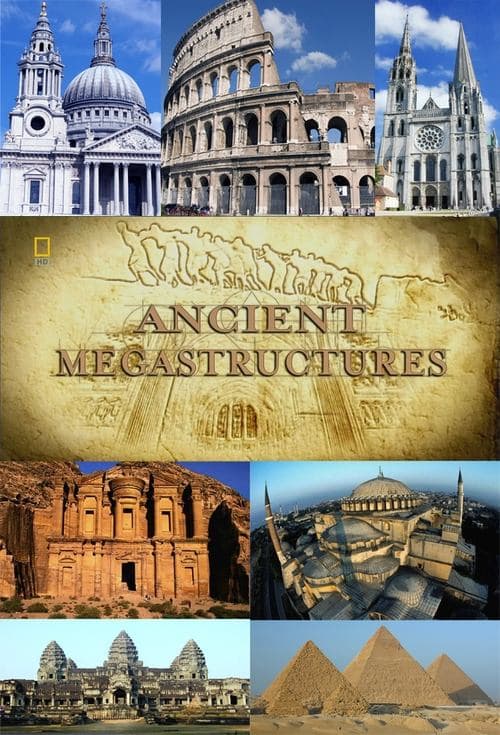
Examine how ancient civilisations built some of the most magnificent structures on the face of the Earth, many centuries before the industrial revolution.
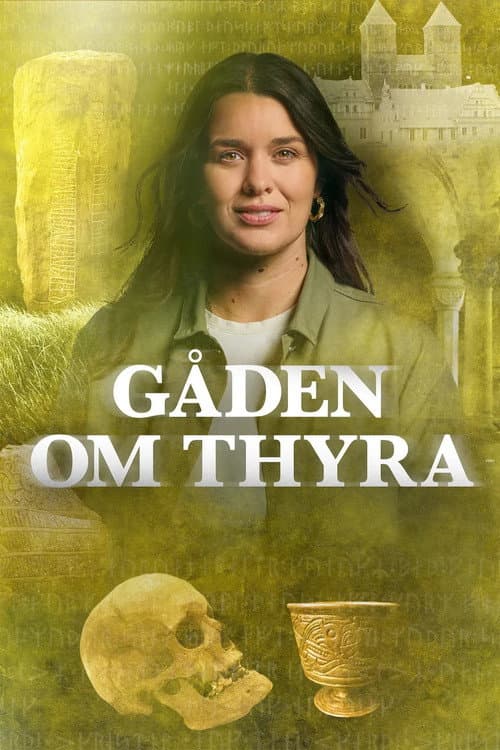
Through new discoveries in science and archaeology, explorers take a look at the origins of the Vikings and how they influenced history.
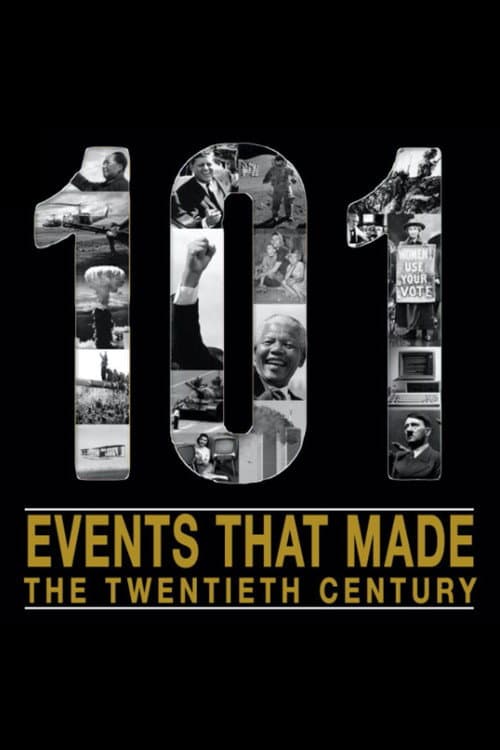
The history of mankind is a never-ending story of change, revolution, and evolution, but surely no span of a hundred years can claim to have changed the world so dramatically as the Twentieth Century. In this series we examine the 101 Events which, in the judgment of experts, including those who contribute to the series, most influentially shaped the century, our world, and our way of life.

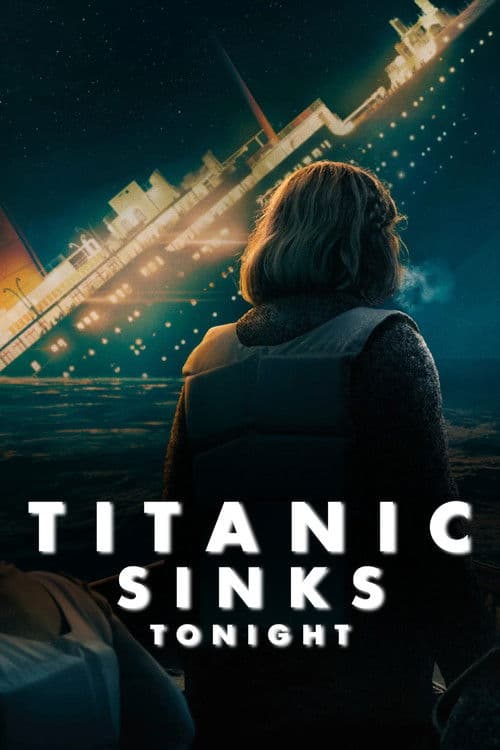
This docuseries aims to provide a complete picture of the most famous 160 minutes in maritime history, telling the astonishing story of the sinking of the Titanic in real time. From the crucial seconds just before the ship hits the iceberg, to the moment the hull sinks beneath the waves, this boxset series pieces together the events, minute by minute, to reveal exactly what happened to the 2240 passengers and crew on 14 and 15 April, 1912.
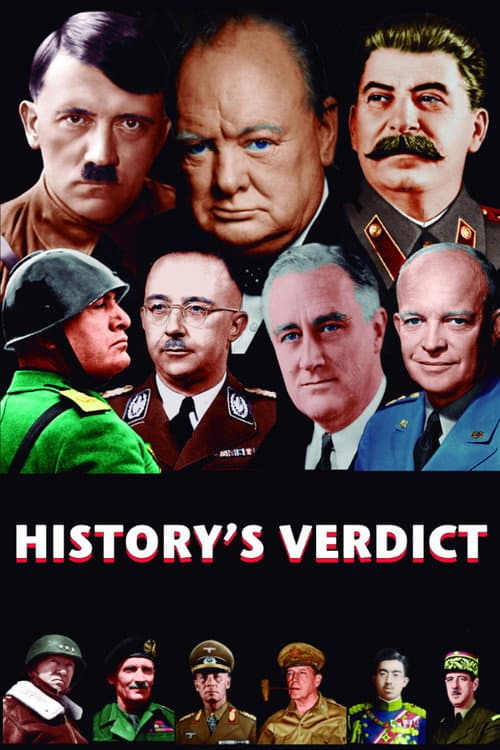
A group of history experts from London's King's College has created this documentary series that tries to assess the key political figures of WWII.
Jonathan Phillips attempts to find the answer to the question: How did Christianity grow and develop from just a small, Jewish sect to the largest, and majority, dominant religion of the West?
Theologian Hans Küng explains and explores religions around the world, where they originated, and what defines them.
Guided Tour is a television and radio program about the treasures of the Portuguese cultural heritage. Treasures with recognized universal value, pieces that any western country would be proud to integrate into its heritage, and little known to the Portuguese. From a silver goblet with Mozarabic decoration and a thousand years old to a cloister that is referred to as a masterpiece of European Renaissance, passing through a collection of African art classified as one of the best in the world, the nature of objects, their context geographic location and historical time vary from episode to episode.
Ireland is a very different place, seen from above. Looking down, the secrets of our natural landscape, architecture, history and human experience come to light in new and unexpected ways. The hidden stories, memories and the mythologies of a nation, written into the very landscape itself. Filmed exclusively from on high using the latest drone technology, this 2 x 1 hour documentary series showcase Ireland, its splendours and its secrets like never before.
Svenska dialektmysterier was a Swedish television series about Swedish dialects. It was hosted by Fredrik Lindström and produced by Marcos Hellberg and broadcast on SVT2 in January–March 2006. The programme can be seen as a continuation of Värsta språket, another series hosted by Lindström. It won the television award Kristallen in the infotainment category.
The fascinating stories of the families behind the food that built America, those who used brains, muscle, blood, sweat and tears to get to America's heart through its stomach, those who invented new technologies and helped win wars.
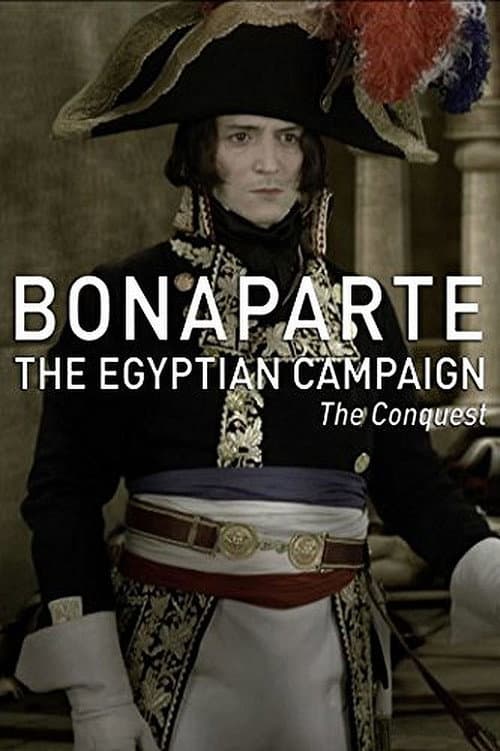
In the spring of 1798, Napoleon set out with 38,000 men and 10,000 sailors to conquer Egypt.
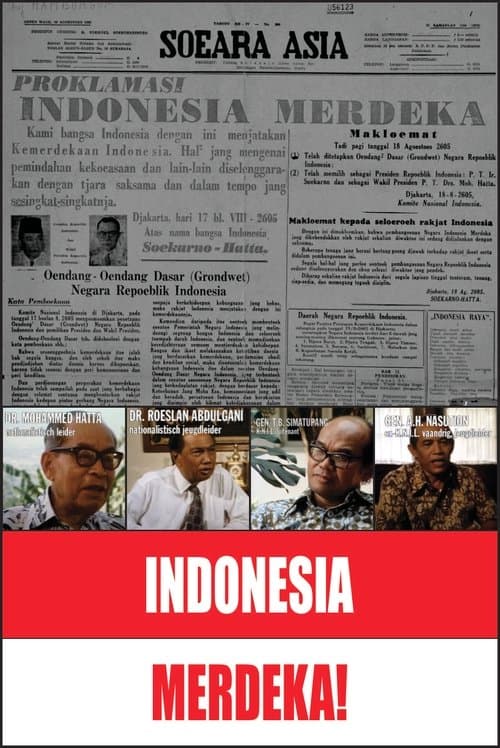
Documentary from 1976 about the Indonesian struggle for independence. Unique archive footage and interviews with former vice-president Mahammed Hatta (the only existing interview with him on film), journalist/writer Johan Fabricius, the physician dr. Abu Hafina, the nationalist youth leader Roelan Abgulgani, dr. P. J. Koets, at the time political adviser of the Lt. Governor-General, the Indonesian generals Nasution and Simaupang, and the planter couple Marsman.
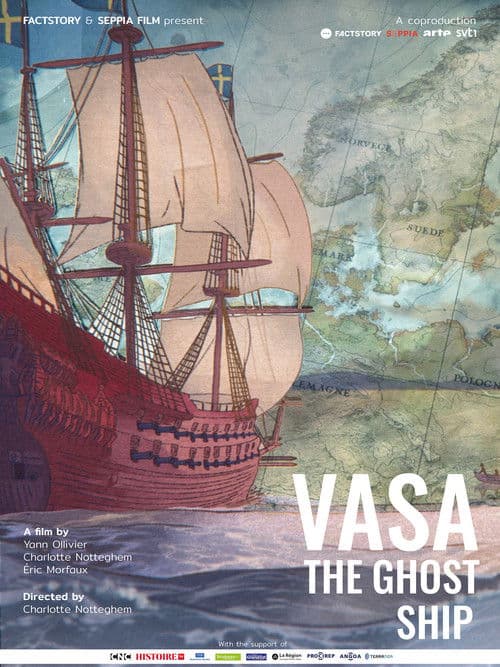
The Vasa was built for war but also to impress the enemy and display power. However, she sank on her maiden voyage, taking about thirty people with her to the depths. Many were rescued from the water by small boats that were in Stockholm’s ström to witness the proud vessel. Today, 400 years later, researchers study this unique time capsule from the early 17th century. How powerful were Vasa’s 64 cannons? Who do the countless, colorful sculptures on the ship actually depict? And the big question: what was the reason the ship sank?