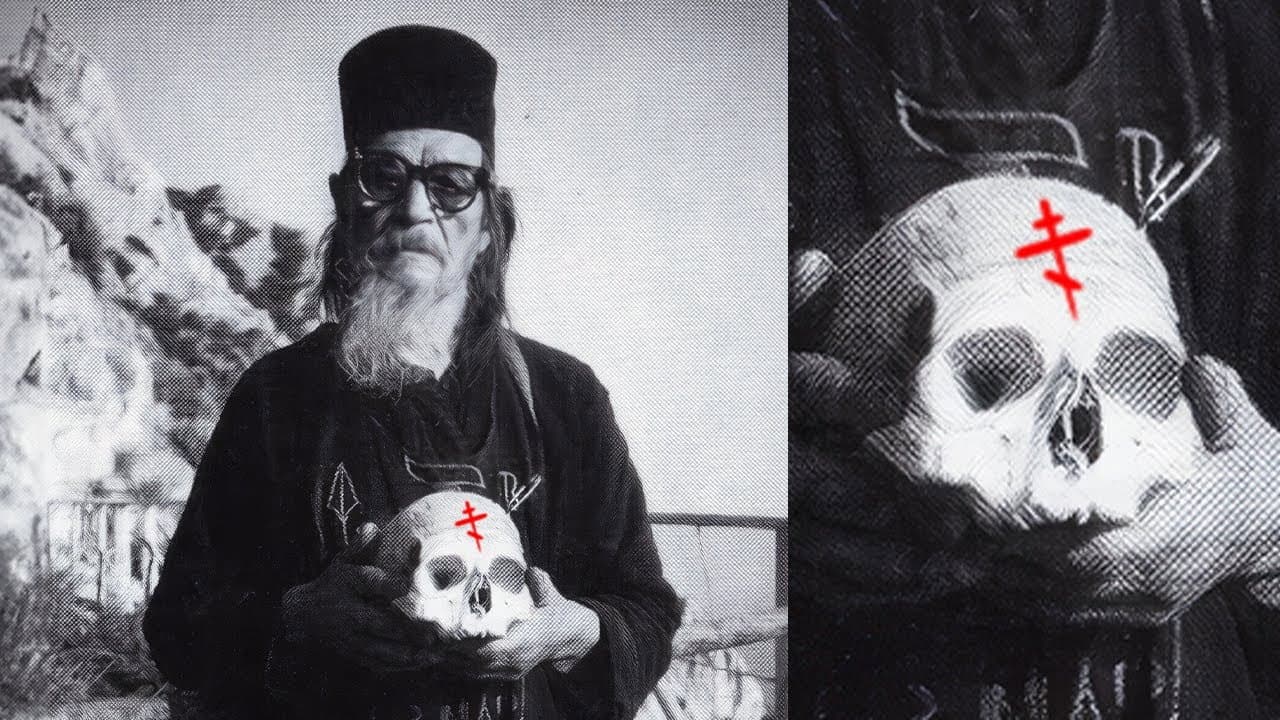
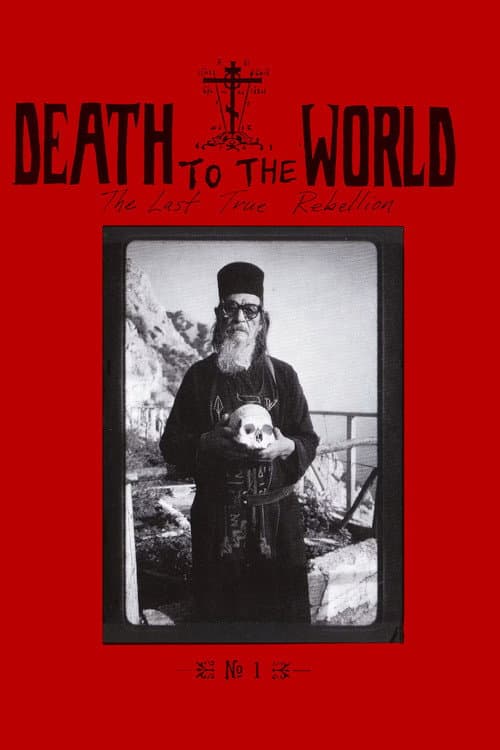
The last true rebellion is death to the world. To be crucified to the world and the world to us.
DEATH TO THE WORLD: The Last True Rebellion
Gabriel Urgebadze
Himself (Orthodox Christian Saint)
Jack Wilmot
Narrator (voice)
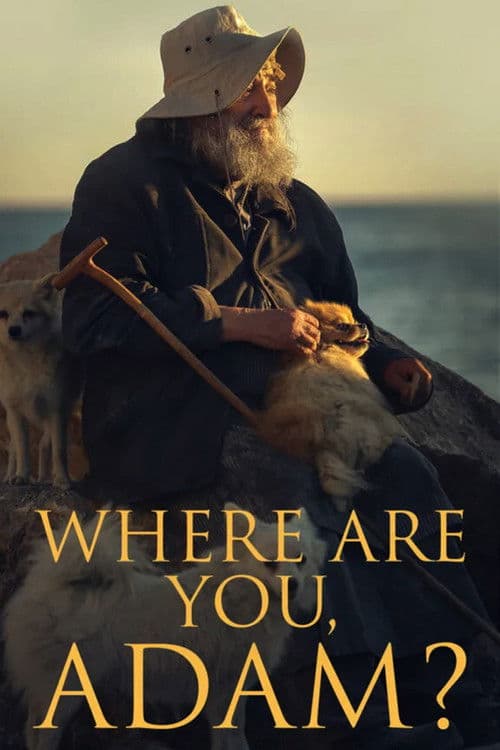
The plot of the film unfolds in the ancient monastery of Dokhiar on the west coast of Mount Athos, on the Aegean peninsula. This peninsula is given to the exclusive use of the monks of Eastern Christianity. Images of nature are woven into a virtually uninterrupted series of work and prayer, lining up in the rhythmic interrelation of man and nature. The central figure of the film was the monastery’s elder, Hegumen Gregory, whose long-term experience of spiritual nourishment rewarded him with a deep understanding of the human soul and her desire to return to the state characteristic of Adam’s human nature before the fall.
Traditions during Easter holidays in the remote village of Grešnica. The film was a research project of the newly opened Ethnological Museum to preserve the disappearing customs at least on film for future generations.
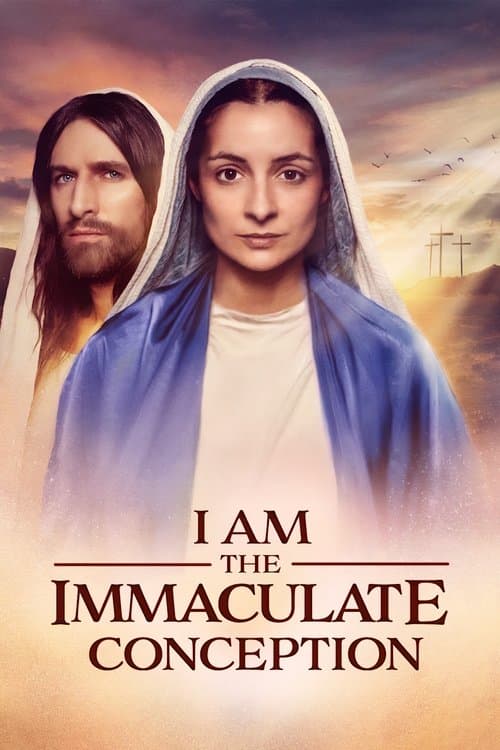
A group of eminent experts, including the Marian Fathers, analyze Greek texts of the Holy Scripture, revelations and the dogma of the Immaculate Conception. The result is a new interpretation of passages of the Scripture revealing Mary, the Mother of Christ, and her extraordinary role in the divine plan for the salvation of the world.
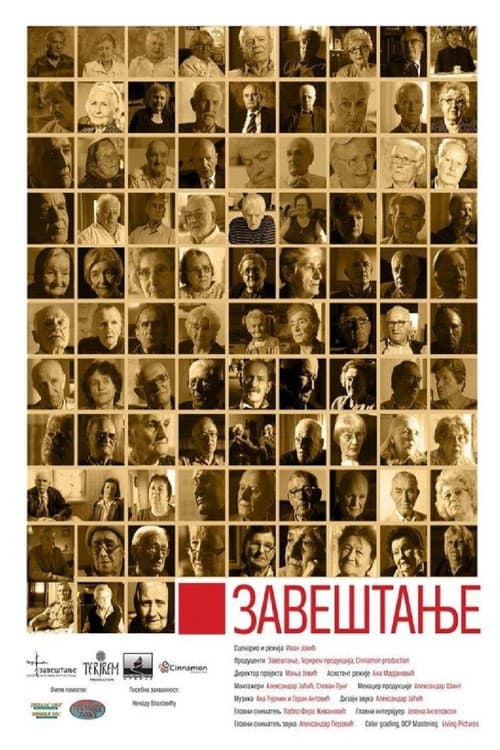
In this film the last living witnesses of the events from Second World War are telling their stories and thus transferring silenced victim’s voices to present times.
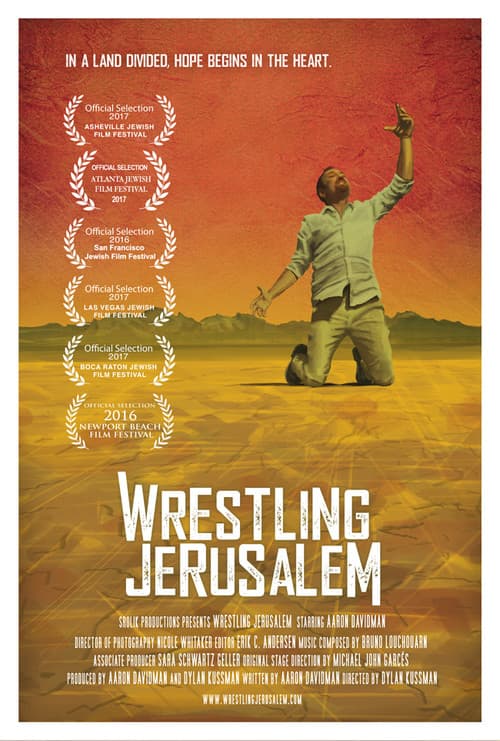
Writer-actor Aaron Davidman embodies seventeen different characters in and around the sacred city of Jerusalem as he takes us on an eye-opening journey into the heart of the Israeli-Palestinian story. Exploring universal questions of identity and human connection, the film is about one man's effort to embrace a multiplicity of conflicting viewpoints, chronicling a brave exploration of the complex humanity at the heart of one of the world's most troubling conflicts.
Right alongside Jerusalem, in a Russian Orthodox Convent in the Mount of Olives, in the middle of the Arab quarter, lives the 82-year-old Estonian nun Mother Ksenya.
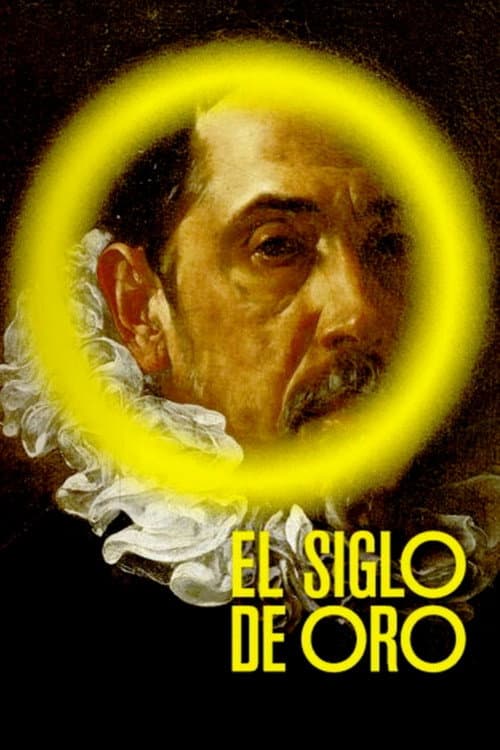
A journey through the Spain of the Baroque, the glorious 17th century, an unfortunate era of endless wars and political tribulations; but also of great painters and sculptors who created astonishing pieces of art: el Siglo de Oro.
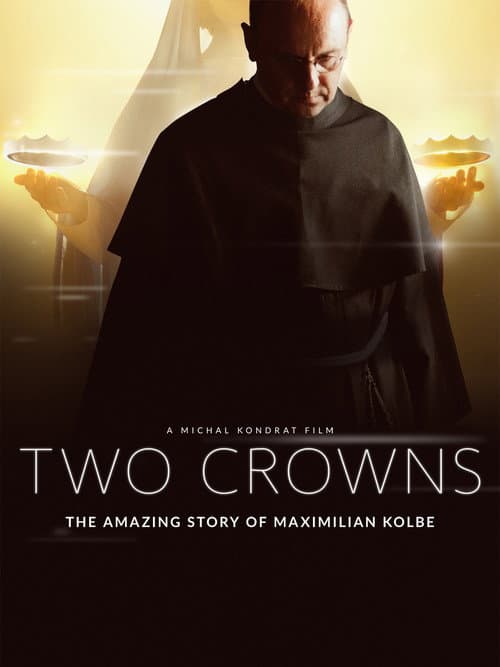
Recreation of facts and stories of both experts and people who met Maximilian Kolbe and were shocked by his words and actions.
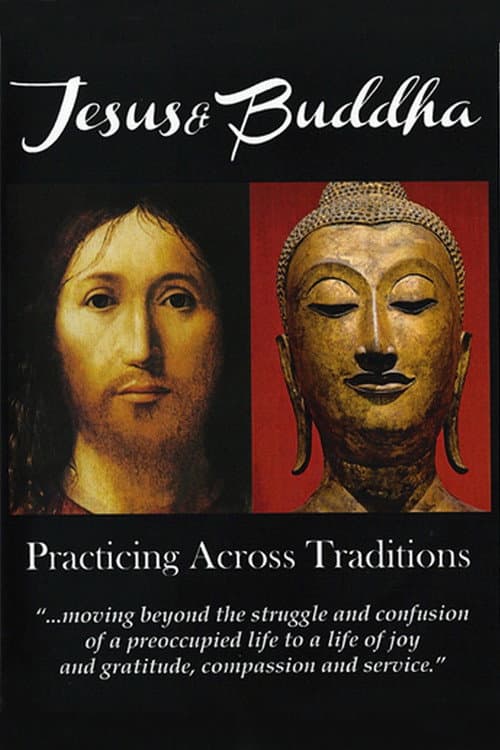
Three leading figures in today's Buddhist-Christian dialogue share their personal journeys in the new documentary Jesus and Buddha: Practicing Across Traditions. We learn how following the path of the Buddha has informed and deepened their understanding of who Jesus was and what he taught. Their experience and insight bring these two liberating archetypes alive in a way that can help guide us through our own confusion and struggle toward lives filled with joy and gratitude, compassion and service.
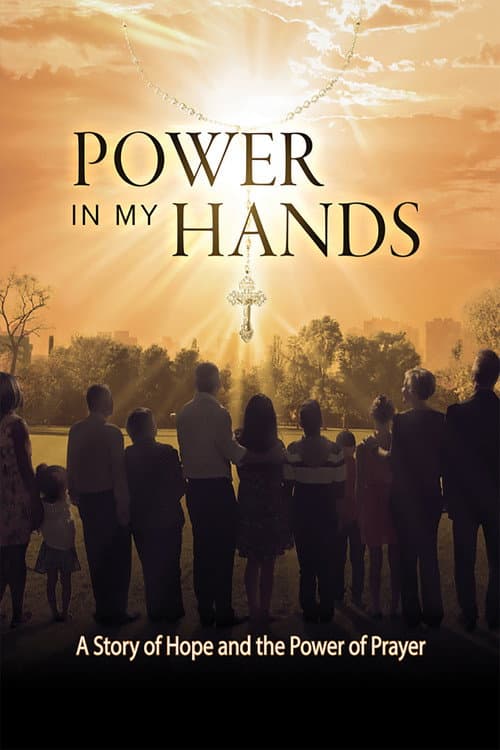
This is a film about the power of the Rosary, a Catholic Prayer. The film depicts personal stories about how the rosary has affected their lives.
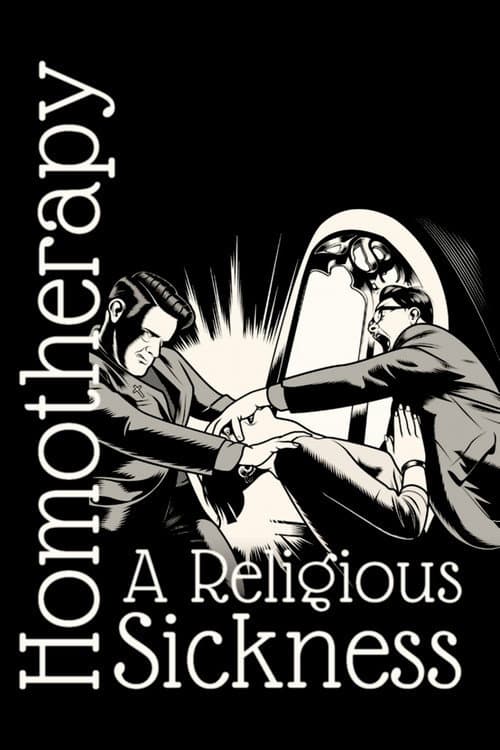
In 2019, some still consider homosexuality as a disease that needs to be cured. Focusing on movements with roots in the United States, which draw on both religion and psychiatry to justify so-called conversion therapies, an investigation into the devastating consequences of certain practices that seem to successfully avoid any control by European public authorities.
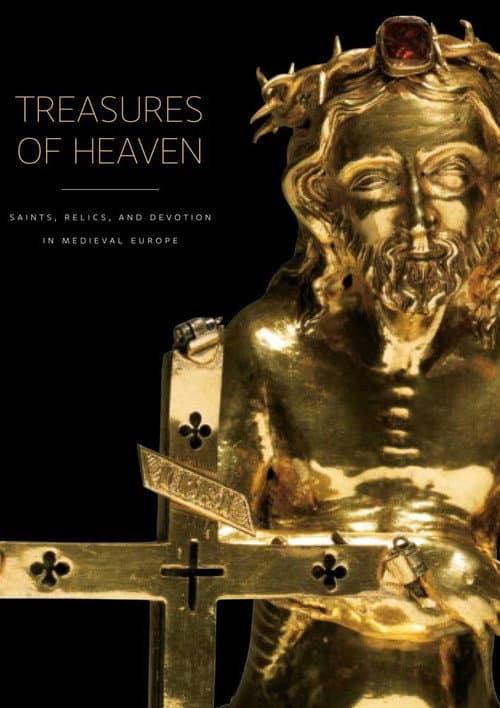
Andrew Graham-Dixon explores the ancient Christian practice of preserving holy relics and the largely forgotten art form that went with it, the reliquary. Fragments of bone or fabric placed inside a bejewelled shrine, a sculpted golden head or even a life-sized silver hand were, and still are, objects of religious devotion believed to have the power to work miracles. The documentary features interviews with art historian Sister Wendy Beckett and Neil MacGregor, director of the British Museum.