Documentary that discovers all the secrets of mummification in the Canary Islands thanks to pioneering research. Regis Francisco López approaches the mummification techniques that took place in Tenerife for more than 10 centuries.
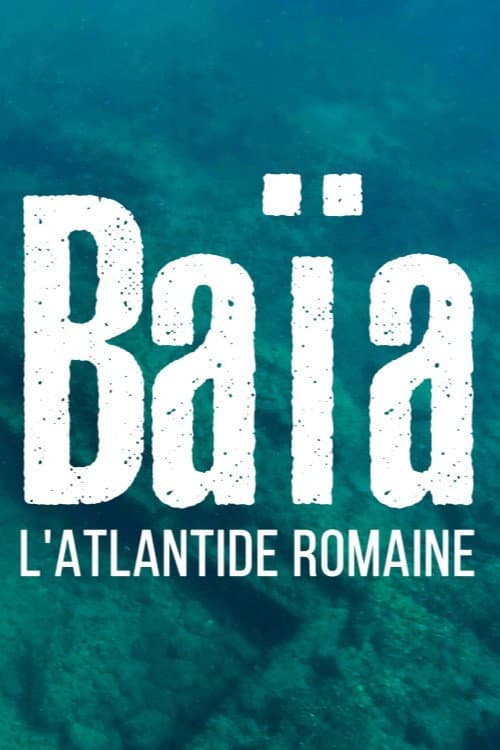
With an area three times larger than Pompeii, Baia, about 15 km from Naples and within the volcanic area of the Phlegraean fields, is the largest underwater archaeological site in the world. In 100 BC Pompeii is an ordinary city of small traders crouched on the slopes of Mt. Vesuvius, while Baia gains a peculiar reputation: it gradually becomes the ancient Las Vegas or Monte Carlo of the Roman Empire, a real posh center for noble gens and the powerful . Nestled in the center of the Gulf of Pozzuoli, Baia is flanked on one side by the port of Puteoli (ancient Pozzuoli) and on the other by the port of Capo Miseno.
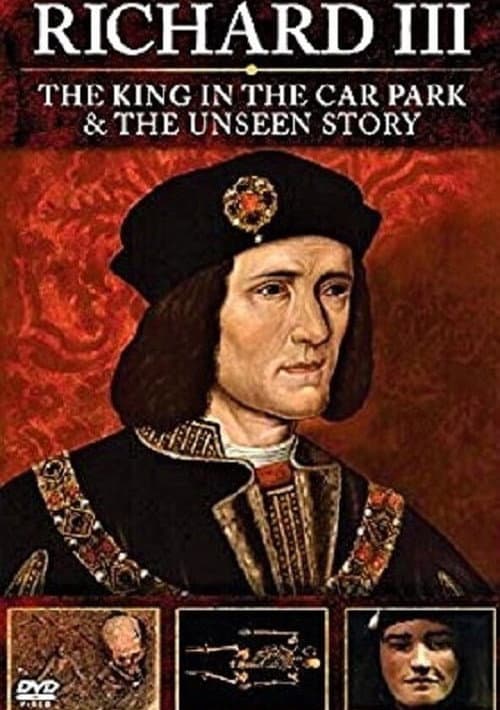
In this special follow-up programme, the only television team with access to the dig and the scientific tests on the skeleton uses unseen footage and conducts two days of additional interviews to tell this extraordinary forensic detective story in even greater scientific and archaeological detail.
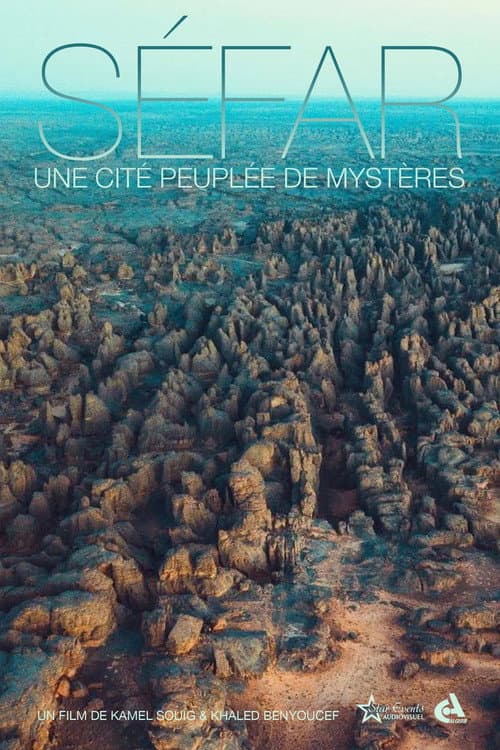
Séfar (in Arabic: سيفار) is an ancient city in the heart of the Tassili n'Ajjer mountain range in Algeria, more than 2,400 km south of Algiers and very close to the Libyan border. Séfar is the largest troglodyte city in the world, with several thousand fossilized houses. Very few travelers go there given its geographical remoteness and especially because of the difficulties of access to the site. The site is full of several paintings, some of which date back more than 12,000 years, mostly depicting animals and scenes of hunting or daily life which testify that this hostile place has not always been an inhabited desert. Local superstition suggests that the site is inhabited by djins, no doubt in connection with the strange paintings found on the site.
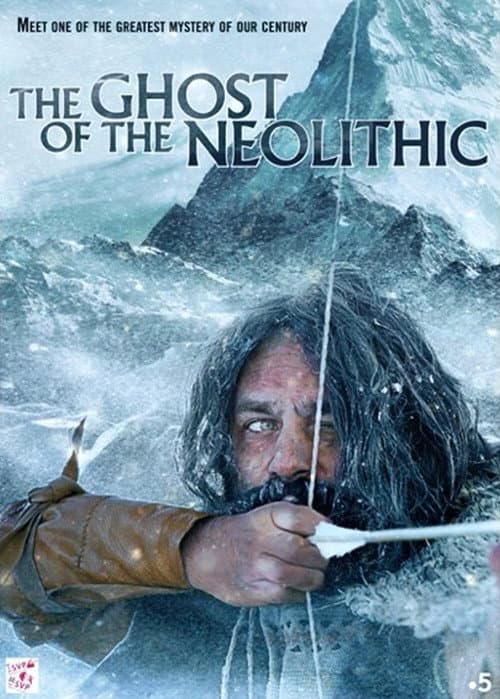
In summer 2003, when the heatwave hit in Europe, in Switzerland, the glacier below the Schnidejoch pass, released a mysterious object: a piece of a Neolithic quiver.
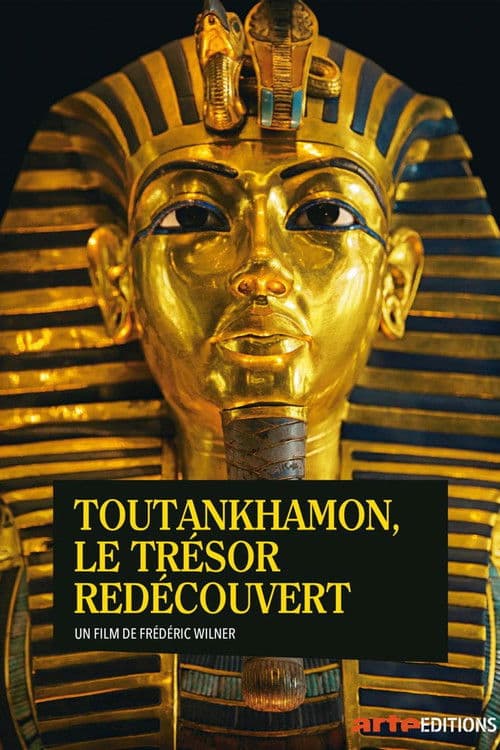
The legendary treasure of Tutankhamun, which contains over 5,000 objects, including 2,000 pieces of jewelry and goldsmith's work, was discovered in 1922 by the British archaeologist Howard Carter. Now the pharaoh's treasure reveals a new secret: hidden traces of a mysterious pharaohess. In addition, a British archaeologist is said to have stolen some of the grave goods...
Starting from the colonial city of Trujillo, this documentary reveals natural and archeological features along the north coast of Peru, where the Moche culture thrived from the 1st Century BC to the 6th Century AD.
In the Formative Period 4,000 years before the Incas and the arrival of the Conquistadors, Peru’s earliest civilizations - the Chavín, Caral, Ventarrón, Sechin, Cupisnique, and Cajamarca cultures - built centers of learning and technological achievements, including the largest work of hydrological engineering in the ancient Americas: the Cumbemayo canals.

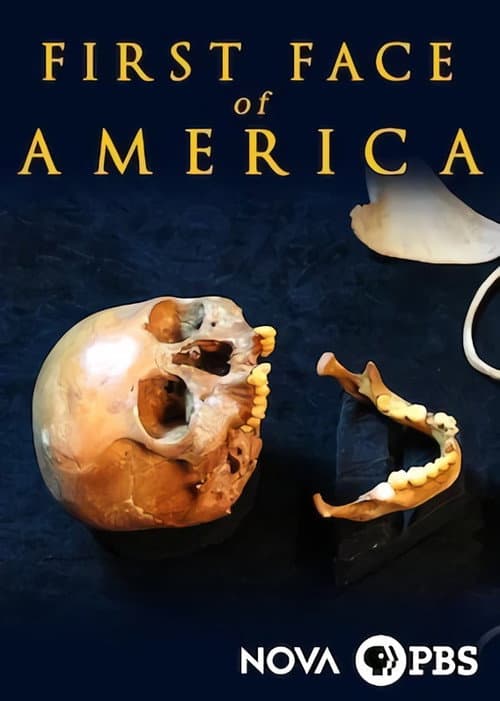
During risky expeditions in an underwater cave in Mexico, scientists unearth the skeleton of a 13,000-year-old prehistoric teenager to gain insight into the earliest known humans in America.
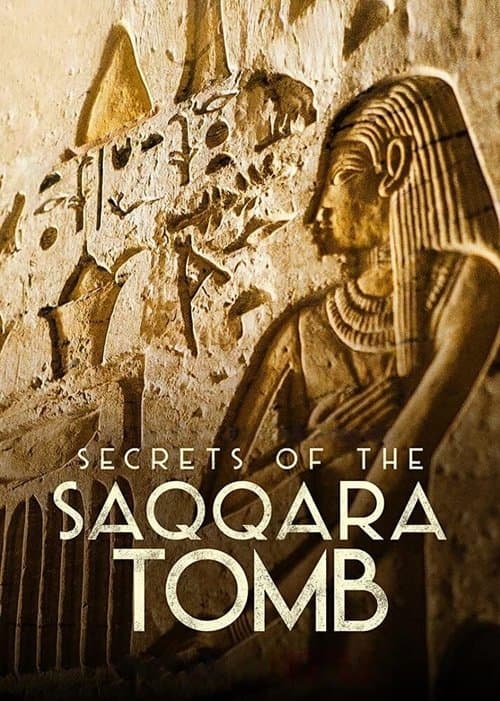
This documentary follows a team of local archaeologists excavating never before explored passageways, shafts, and tombs, piecing together the secrets of Egypt’s most significant find in almost 50 years in Saqqara.
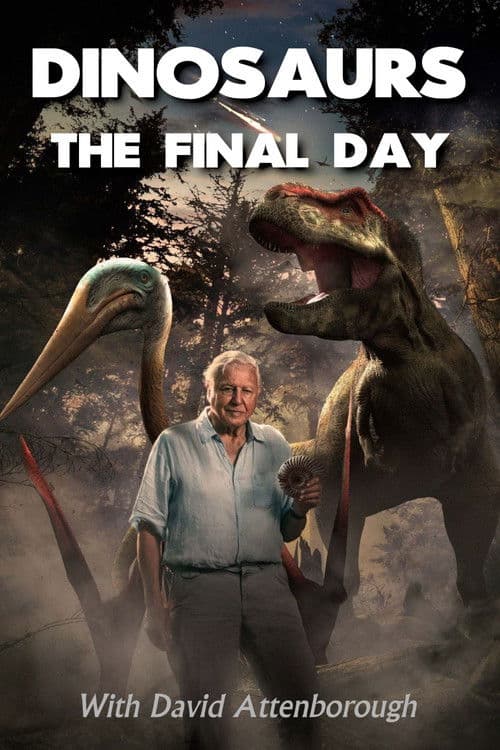
David Attenborough brings to life, in unprecedented detail, the last days of the dinosaurs. Palaeontologist Robert DePalma has made an incredible discovery in a prehistoric graveyard: fossilised creatures, astonishingly well preserved, that could help change our understanding of the last days of the dinosaurs. Evidence from his site records the day when an asteroid bigger than Mount Everest devastated our planet and caused the extinction of the dinosaurs. Based on brand new evidence, witness the catastrophic events of that day play out minute by minute.