Tells the story of the tragic events in Ukraine in 1932-33, the genocidal Great Famine or the Holodomor, and one Welshman's attempts to tell the world what was happening.
How did Nazi Germany, from limited natural resources, mass unemployment, little money and a damaged industry, manage to unfurl the cataclysm of World War Two and come to occupy a large part of the European continent? Based on recent historical works of and interviews with Adam Tooze, Richard Overy, Frank Bajohr and Marie-Bénédicte Vincent, and drawing on rare archival material.
Askania-Nova is the largest steppe wildlife sanctuary in Europe. It is located in south part of Ukraine, not far from Crimea peninsula. In order to underline this unique beauty we created a documentary musical film about life of animals and people in wildlife sanctuary of Askania-Nova. The movie reveals stories of a three protagonists, whose destinies were entangled because of wildlife sanctuary.
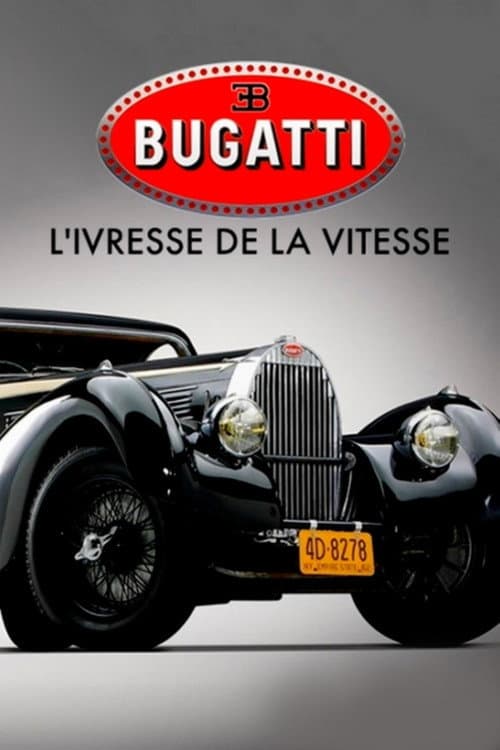
The story of the Bugattis of Milan and Molsheim, the eccentric family behind the brand: Carlo, the patriarch and furniture designer; Rembrandt, the troubled sculptor; Ettore, the gifted engineer; Jean, the unfortunate heir. Art and design. Beauty and luxury. The fastest cars. Races. The need for speed.
Presents the history of the U S from the inauguration of Franklin D Roosevelt to the eve of World War II, including the Great Depression and New Deal legislation designed to overcome it. Emphasizes events that had lasting effects on the nation, such as the Tennessee Valley Authority, the strengthening of organized labor and the growing power of the Federal government.. Continues the story of 20th century America from the inauguration of Franklin D. Roosevelt to the eve of World War II. Footage shows the Great Depression, strengthening of organized labor, Social Security Act and growing powers of the federal government.
In a series of letters to her young son, a mother, soldier and filmmaker documents her thoughts from the Ukrainian frontline.
A shock wave started as Stalin's daughter Svetlana Iosifovna Alliluyeva fled to the West. During her childhood, she remained at the center of power and was her father's favorite child. However, her life was overshadowed by death and violence. Her mother and brother died, family members were murdered, and her partner was exiled by Stalin. The Iron Curtain was an obstacle in her family dream. This documentary shows for the first time interviews with friends and relatives, exclusive photos and documentation, as well as the last and never broadcast interview with Alliloejeva.
This documentary follows the election campaigns of a journalist, a local crime boss, a formerly exiled oligarch, and a local access TV host as they compete for a spot in the Moscow Central Constituency, in Russia's first free elections since 1917
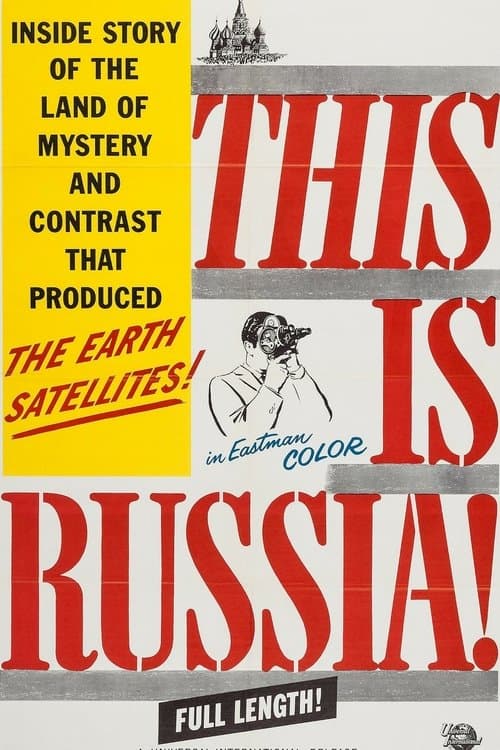
Documentary footage of late 1950s Russia covers such cities and towns as Moscow, Leningrad, Kiev, Yalta, the Black Sea, Kharkov, Sochi, Sukumi, Gori, Bukhara, Samarkand, Frunzo and Siberia.
Analysis of the impact of natural gas - more specifically, the Ukrainian and European dependence on Russian gas - on European politics in the wake of Euromaidan. Featuring interviews with high-level government officials, journalists and industry analysts from several countries, the film argues that a generation after its break from the USSR, Ukraine is independent in name only. To bring the country to its knees, all Russia has to do to is turn off the gas, as it did briefly in the winters of 2005 and 2009.
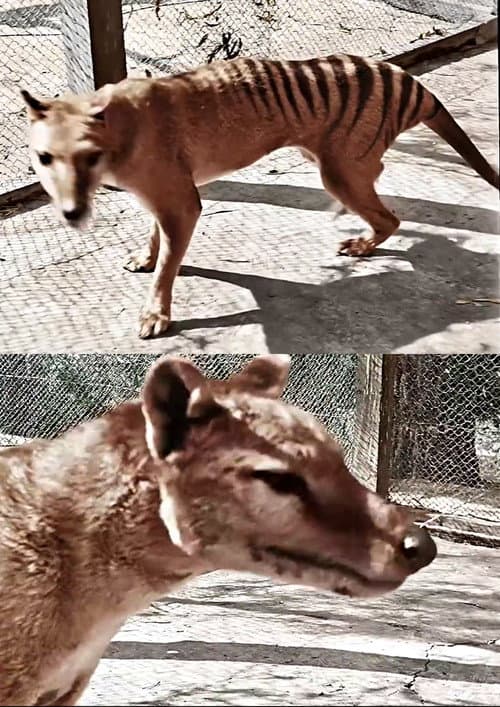
Original 35mm nitrate negative film shot by naturalist David Fleay at Beaumaris Zoo, Hobart in December 1933. Colorized by Samuel François-Steininger at the Paris-based, Composite Films, from a 4K scan of the negative by the National Film and Sound Archive Australia.
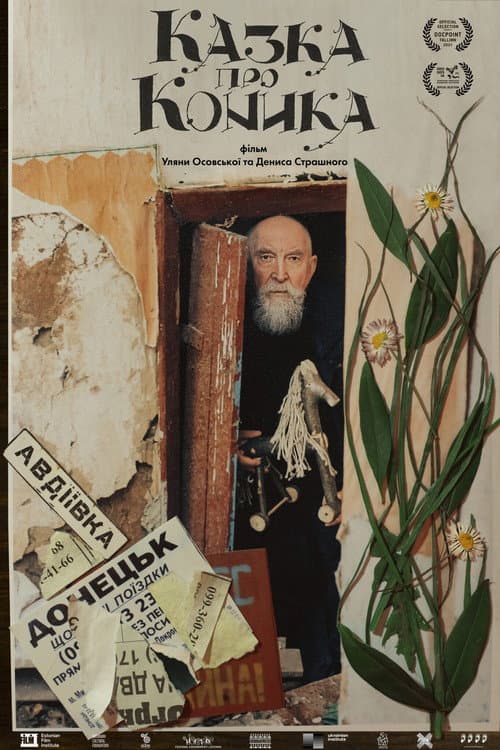
In his own way, Anatoli Ljutuk is a legend of Tallinn's Old Town - a man from Western Ukraine who has built a unique world on Laboratory Street, the main core of which is the Ukrainian Cultural Center and Church. There, he engages in calligraphy, makes paper in a medieval way, carves traditional wooden toys in his workshop and makes books in the spirit of old monasteries. According to the oath taken a quarter of a century ago, he has promised to create something good every day. His daily commitment is challenged by the war that broke out in Ukraine, which Anatoly cannot passively ignore.
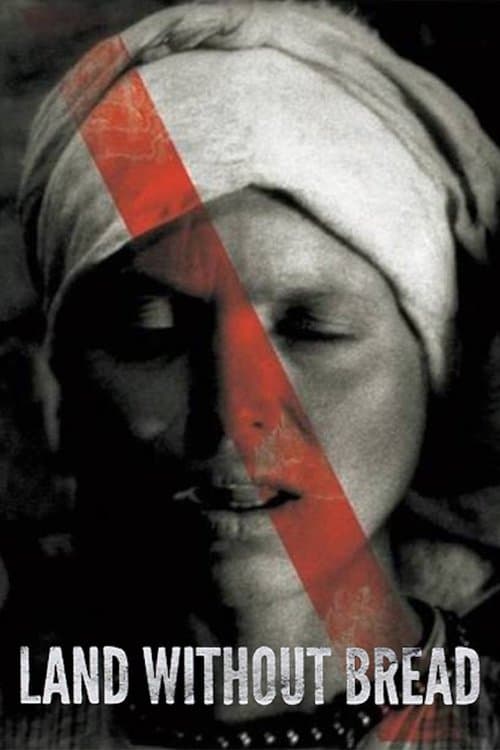
An exploration —manipulated and staged— of life in Las Hurdes, in the province of Cáceres, in Extremadura, Spain, as it was in 1932. Insalubrity, misery and lack of opportunities provoke the emigration of young people and the solitude of those who remain in the desolation of one of the poorest and least developed Spanish regions at that time.