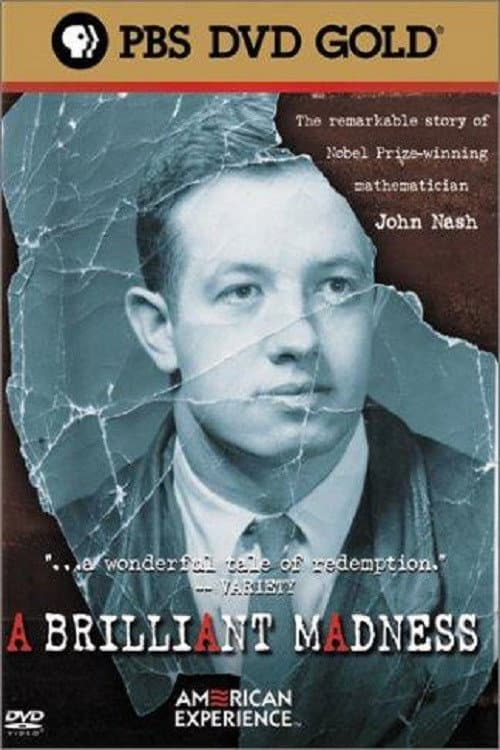
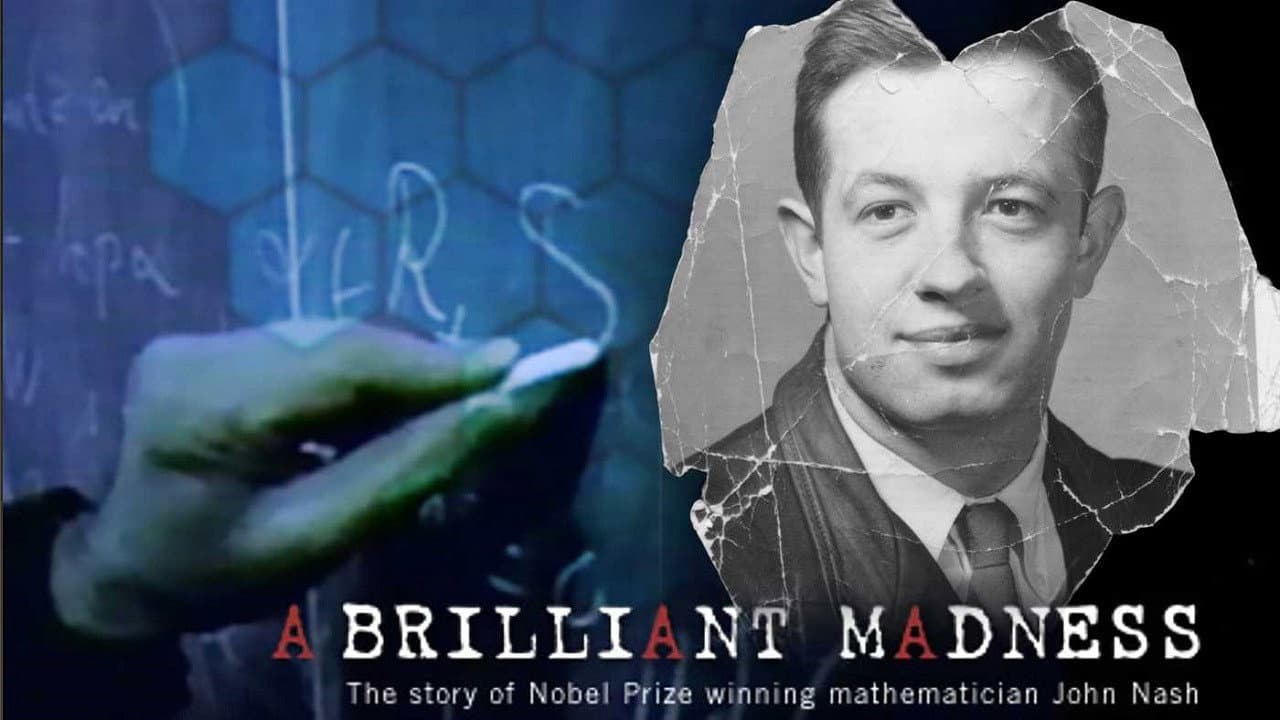
The life of the Nobel Prize-winning mathematician and schizophrenic John Nash — the inspiration for the feature film A Beautiful Mind — is a powerful exploration of how genius and madness can become intertwined.
Liev Schreiber
Narrator (voice)
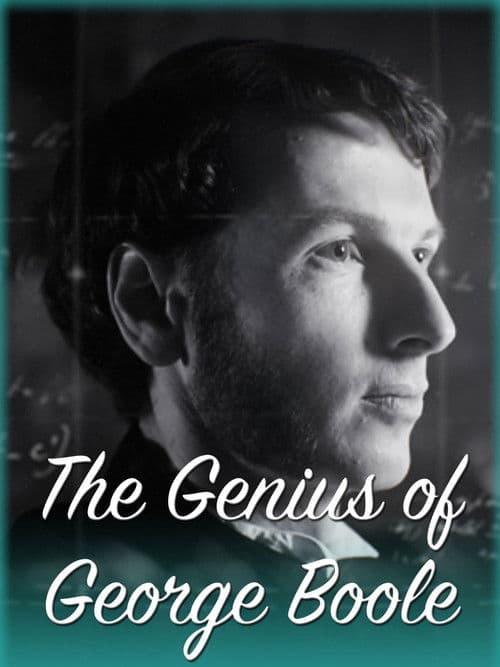
Narrated by Oscar-winning actor Jeremy Irons, The Genius of George Boole assembles academics and industry leaders from across the globe to explore the life and importance of one of the world’s greatest unsung heroes.
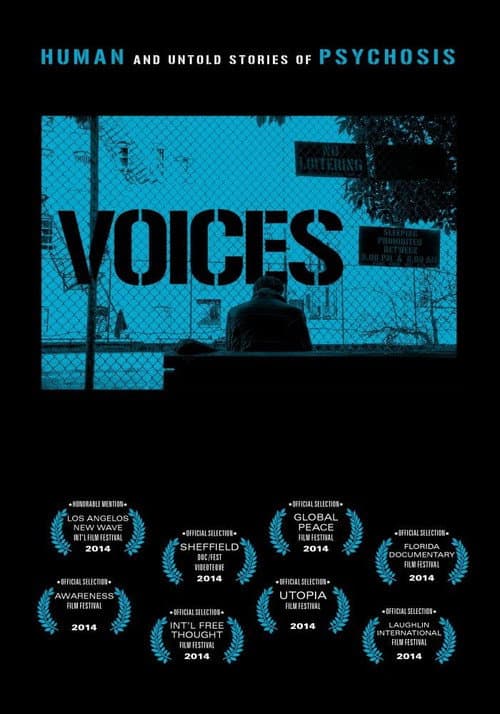
Voices is an award-winning documentary that features the stark and intimate portraits of three very different individuals and their struggle with severe mental illness in America. The stories of Sharon, Thomas and Aaron illuminate the challenges, realities, and often complex emotions and choices that surround people with psychotic mental illness and those who love them.
Jani, now 11, is showing improvement in keeping her hallucinations at bay. But the same cannot be said for Bodhi, now 6. His dangerous outbursts have landed him in the hospital; leaving the doctors and family with a puzzling diagnosis.
Filmmaker Jonathan Caouette's documentary on growing up with his schizophrenic mother -- a mixture of snapshots, Super-8, answering machine messages, video diaries, early short films, and more -- culled from 19 years of his life.
Initially airing on HBO's "America Undercover" series, this riveting documentary focuses on three families shattered by the psychiatric disorder of schizophrenia. Subjects "Bob," "Missy" and "Steven" have lived for over a decade with schizophrenia. The film documents the difficult day-to-day existence of both those afflicted with this order and the families searching for answers to their loved ones' suffering. This film also shows the varied and variably successful treatment methods for each of the subjects—one is placed in a group home, one is placed in an institution, and one is cared for at home. The documentary was critically acclaimed for its compassionate treatment of mental illness.
The first part of this documentary deals with the Portuguese neurologist António Egas Moniz, Nobel Prize for Medicine in 1949, one of the first surgeons to apply the technique called lobotomy for the treatment of schizophrenia. The second part deals with the everyday life of people with schizophrenia today: behavior and relationships, and treatment for the disease.
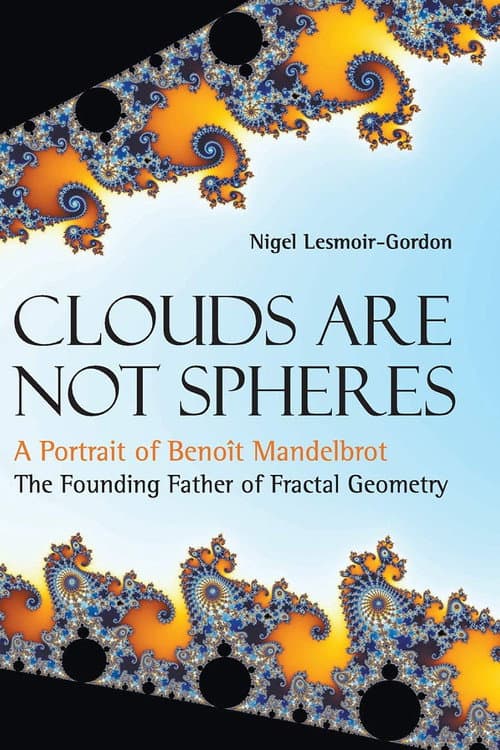
Until recently geometry was 'cold', incapable of describing the irregular shape of a cloud, the slope of a mountain or the beauty of the human body. With fractal geometry, Benoit Mandelbrot gave us a language for our natural world. In this captivating documentary, the man himself explains this groundbreaking discovery.
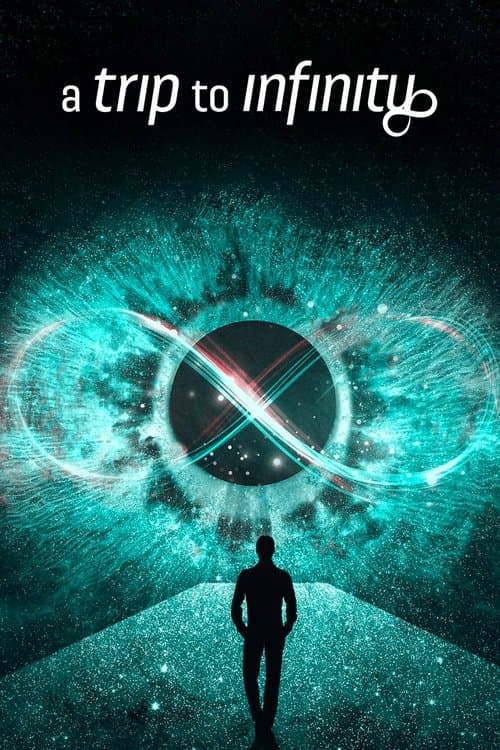
Does infinity exist? Can we experience the Infinite? In an animated film (created by artists from 10 countries) the world's most cutting-edge scientists and mathematicians go in search of the infinite and its mind-bending implications for the universe. Eminent mathematicians, particle physicists and cosmologists dive into infinity and its mind-bending implications for the universe.
In 1983, the director’s 24-year-old sister developed symptoms of schizophrenia. Her parents couldn’t accept it—refusing to seek treatment for their sick child, they confined her to their house, to the point of even fixing a padlock on the front door to lock her in. Her younger brother, suspicious of his parents’ actions, began filming the family in an effort to openly question them. A family conflict that lasted over twenty years.
It's a sensitive, moving doc chronicling the life of Tétrault's brother Philip , a Montreal poet, musician and diagnosed paranoid schizophrenic. A promising athlete as a child, Philip began experiencing mood swings in his early 20s. His extended family, including his daughter, share their conflicted feelings love, guilt, shame, anger with the camera. They want to make sure he's safe, but how much can they take?
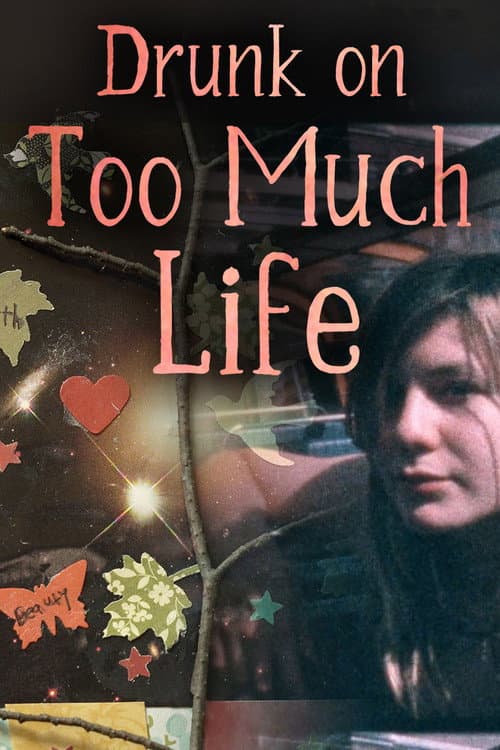
The filmmakers' 21-year-old daughter journeys from locked-down psych wards and diagnostic labels toward expansive worlds of creativity, connection, and greater meaning. Featuring insights from trauma experts and others, the film challenges the widespread idea that mental illness should be understood purely in biological terms, revealing the myriad ways that madness has meaning beyond brain chemistry.